Nigeria Aligns National Priorities as Stakeholders Validate Revised Biotechnology Policy
The National Biotechnology Research and Development Agency (NBRDA) has concluded a two-day national stakeholders’ review and validation meeting in Abuja to finalise the revised National Biotechnology Policy.
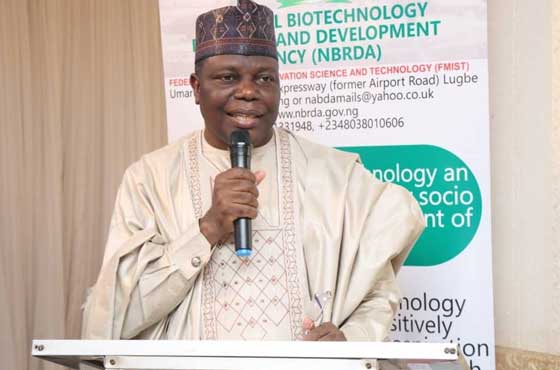
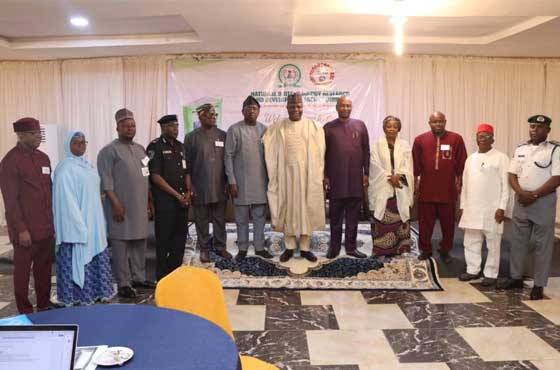
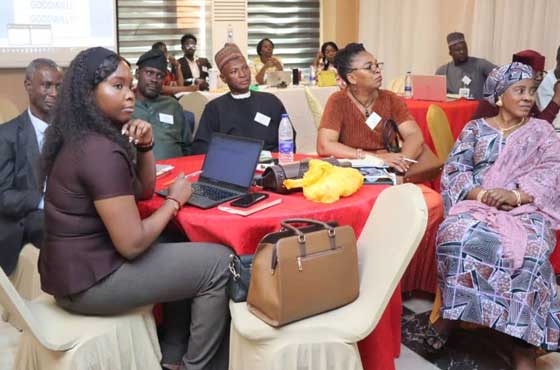
The engagement convened representatives of government institutions, academia, industry experts, civil society organisations and development partners to harmonise national priorities for advancing biotechnology as a tool for food security, improved healthcare, economic growth and environmental sustainability.
Minister of Innovation, Science and Technology, Dr. Kingsley Tochukwu-Udeh (SAN), represented by the Director of Bioresources Technology in the Ministry, Engr. Isaac Alum, underscored the need for a coherent policy framework that strengthens research, enhances regulation, expands biotechnology education and accelerates commercialisation across priority sectors.
Director General of NBRDA, Prof. Abdulla Mustapha, noted that aligning Nigeria’s biotechnology ecosystem with rapid global advancements in genomics, gene editing, synthetic biology and digital bio-data is essential for enabling the country to harness emerging opportunities within the evolving bio-economy.
He added that the revised policy reinforces Nigeria’s dedication to applying science and innovation for national development.
Chairman of the Policy Review Secretariat, and Director, Genetics, Genomics and Bioinformatics, Dr. Shakirat Ajenifujah-Solebo, highlighted insights from the policy review process, including identified gaps in coordination, funding, biosafety, digital infrastructure and public awareness. She noted that the validation meeting enhanced the policy’s clarity, relevance and practical implementation measures.
The revised policy sets a national direction that emphasises stronger biotechnology governance; improved agricultural, medical and industrial biotechnology capacity; enhanced biosafety and public engagement; and increased investment in digital infrastructure, human capital and innovation systems to build a competitive and sustainable bio-economy.
Stakeholders reaffirmed their commitment to supporting a biotechnology framework that advances Nigeria’s development agenda across key sectors.